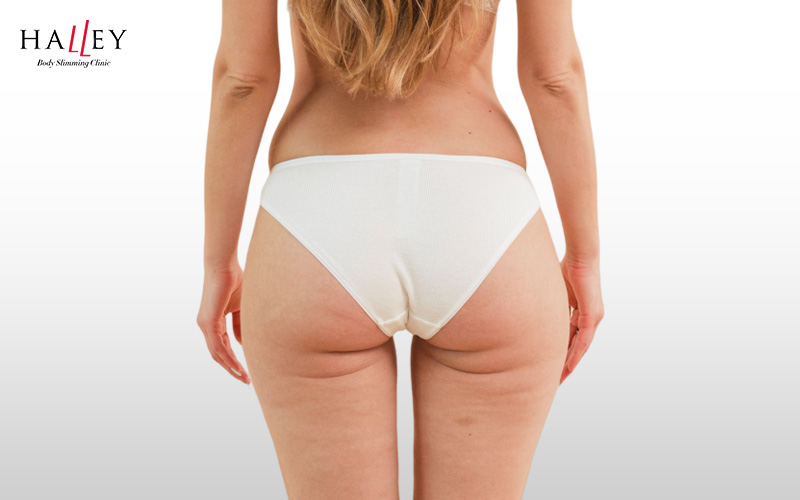
Key takeaways
- Hormonal shifts, muscle loss, metabolic changes, and lifestyle factors can make weight loss after menopause more complex.
- Oestrogen decline can accelerate muscle loss, reduce insulin sensitivity, and promote belly fat after menopause, making weight loss more challenging.
- A targeted approach that includes strength training, adequate protein intake, increased awareness of calorie intake, and daily exercise can help improve results.
- Doctor-supervised programmes at Halley Body Slimming Clinic combine medical treatments with lifestyle guidance to support weight loss after menopause.
Introduction
Many women experience weight changes after menopause, even when their eating habits and routines stay the same. These changes can feel unexpected, especially when weight gain occurs without clear reasons.
What many women may not know is that many factors contribute to post-menopausal weight gain. Factors like hormonal changes, ageing, and lifestyle habits influence how the body stores fat, maintains muscle mass, and uses energy. When you understand what affects your weight after menopause, it becomes easier to make more informed choices about weight loss after menopause and explore medically guided options.
Factors that affect weight loss after menopause
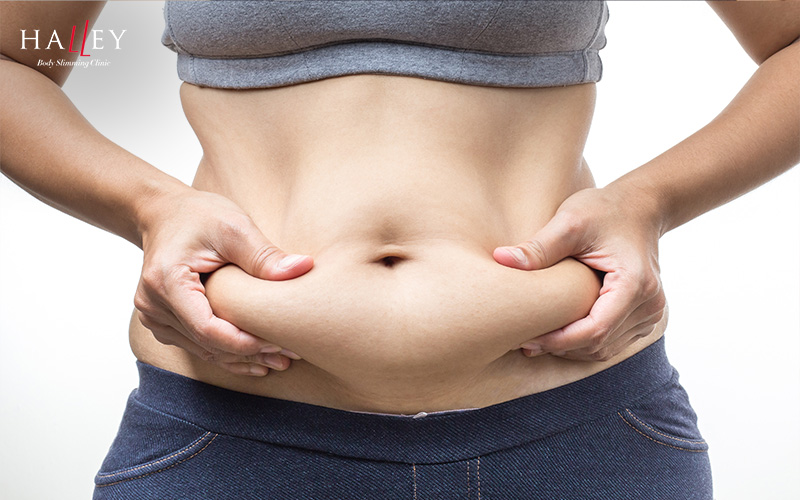
Several physiological and lifestyle factors can cause weight changes after menopause.
1. Hormonal changes and belly fat after menopause
Oestrogen levels decline during menopause, and this affects how the body stores fat. For example, visceral fat becomes more likely to accumulate around the belly instead of the hips and thighs. This type of fat sits around internal organs and is associated with a higher risk of cardiovascular disease, type 2 diabetes, and insulin resistance, making it a concern that goes beyond appearance.
2. Metabolic slowdown and muscle loss
As you age, the body burns fewer calories at rest. This is largely due to a gradual loss of muscle mass that occurs with ageing, though declining oestrogen levels during menopause may also accelerate this process.
Research suggests muscle changes can begin as early as the mid-40s as women enter perimenopause and levels of key hormones such as oestrogen begin to decline. Since muscle tissues require more energy to maintain than fat tissue, having less muscle can lower overall energy expenditure. As a result, this makes it harder to maintain a calorie deficit, which is necessary for weight loss.
3. Changes in insulin sensitivity
Menopause is associated with reduced insulin sensitivity, partly due to declining oestrogen levels. This means the body may process glucose less efficiently, which can contribute to higher blood sugar levels and increased fat storage over time. These metabolic changes may also affect energy levels, appetite, and cravings, making weight management more challenging after menopause.
4. Sleep disturbances and stress
Menopause may lead to sleep disturbances, such as insomnia or night sweats. Night sweats, which are caused by hot flashes, can lead to repeated awakenings and make it difficult to return to sleep, reducing overall sleep quality. Poor sleep, in turn, disrupts hormones that regulate hunger and fullness, leading to increased appetite and cravings. At the same time, fatigue can reduce daily activity levels, lowering overall calorie burn.
5. Stress and cortisol
The transition into menopause often coincides with other significant and stressful life changes. This leads to elevated cortisol levels, which promote fat storage around the abdomen and increase appetite, particularly for calorie-dense foods.
Chronic stress can also worsen sleep quality, creating a cycle that makes weight management more difficult. Addressing stress through regular exercise, relaxation practices, and adequate rest can help reduce its impact on weight.
Tips for losing weight after menopause
Weight loss after menopause does not require a completely different approach, but it is recommended that you place greater emphasis on protein intake, strength training, sleep, and preserving muscle mass, which can help address the hormonal and metabolic changes that occur during this stage of life.
1. Prioritise strength training
Add resistance training two to three times a week, whether at a gym, a fitness class, or at home. Focus on simple movements like squats, lunges, and resistance band exercises. This helps maintain muscle mass and supports bone density, both of which can decline after menopause. Regular resistance-based activities can help address these concerns.
2. Increase protein intake at each meal
Aim to include a source of protein in every meal. Choose options like grilled fish, steamed chicken, tofu, or eggs, and pair them with vegetables and controlled portions of rice or noodles. This not only supports muscle maintenance but also helps you stay satiated for longer, reducing the likelihood of snacking or overeating.
3. Reduce calorie intake without extreme dieting
You do not need a drastic diet, but you may need to adjust your calorie intake to match your body’s changing energy needs.
Find out your daily caloric requirement and adjust your meal portions or reduce your calorie intake as needed. Small, consistent, and mindful adjustments are more sustainable than short-term restrictions. If you are unsure how to proceed, you can consider consulting a weight-loss doctor who can advise on sustainable, achievable ways to manage your diet.
4. Make movement part of your daily routine
Exercise plays a crucial role in weight loss, as it allows the body to “burn” the calories that we intake. However, many people find it difficult to maintain an exercise routine because they try to do too much too soon.
To make exercise a routine you do not hate, ramp up slowly and choose activities you enjoy. It can also be as simple as looking for opportunities to stay active within your day. For instance, you can walk to nearby MRT stations, take the stairs when possible, or go for evening walks in your neighbourhood. If you spend long hours at a desk, set reminders to move around regularly to avoid prolonged inactivity.
How Halley Body Slimming Clinic can help
If you have been making changes to your diet and activity levels but are not seeing the results you expect, it may be time to seek professional help. Changes in weight and fat distribution after menopause can involve multiple factors that are not always easy to manage on your own.
At Halley Body Slimming Clinic, we provide medically supervised options that combine clinical treatments and lifestyle guidance to support weight management after menopause.
Medical and medication-based weight loss solutions
- Weight loss injections: The clinic provides medically supervised injectable weight-loss medications approved by health authorities to support weight-management goals. These injections are prescribed following a medical consultation and work by helping regulate appetite and increase feelings of fullness, alongside lifestyle modifications.
- Oral weight-management medications: The clinic also offers oral weight loss medications in tablet form, approved by health authorities, to support weight control and complement ongoing lifestyle plans.
- Meal and nutritional guidance: Each plan includes structured dietary advice to promote balanced nutrition and sustainable results.
Non-Invasive body contouring
In addition to weight loss, Halley Body Slimming Clinic offers non-invasive fat-removal treatments to target stubborn fat in specific areas. These treatments focus on shaping and refining body contours rather than reducing overall body weight.
- CoolSculpting Elite (cryolipolysis): A form of fat freezing therapy that targets stubborn fat cells in areas such as the arms, double chin, thighs, back, flanks, and abdomen.
- Vanquish Fat Reduction (radiofrequency): Uses heat-based technology to treat larger zones such as the abdomen, flanks, and thighs to contour the body.
It’s important to note that body contouring is typically used as a complement to a broader weight loss programme. It is not a replacement for lifestyle or medically guided weight loss.
Holistic and doctor-led approach
Our doctors will begin with a detailed assessment of hormonal, metabolic, and lifestyle factors that can affect weight loss after menopause. Under medical supervision, they will tailor your plan to individual health needs, combining clinical treatments with sustainable lifestyle guidance to support steady, long-term progress.
Conclusion
Changes in your body after menopause, whether weight gain or the build-up of stubborn fat, can leave one feeling frustrated. These changes are due to a combination of factors. Hormonal changes, a gradual loss of muscle mass, and shifts in metabolism can affect how your body stores and uses energy. Understanding these changes can help you take a more realistic and structured approach.
At Halley Body Slimming Clinic, we offer doctor-supervised programmes that address these changes through a combination of medical treatments and practical lifestyle guidance. Each plan is tailored to your individual needs, with a focus on safe, sustainable progress.
Book a consultation today to discuss suitable options and receive professional guidance tailored to your health goals.