Key takeaways
- Fat stored in the thighs is influenced by genetics, hormones, and overall body composition, making it resistant to single-method approaches.
- It is not possible to achieve spot fat reduction in one area through exercise alone. You will need overall fat management through balanced nutrition and regular activity.
- Strengthening major leg muscles helps shape the thighs and supports functional movement.
- Non-surgical body shaping options may complement lifestyle changes when certain fat deposits remain difficult to address.
Introduction
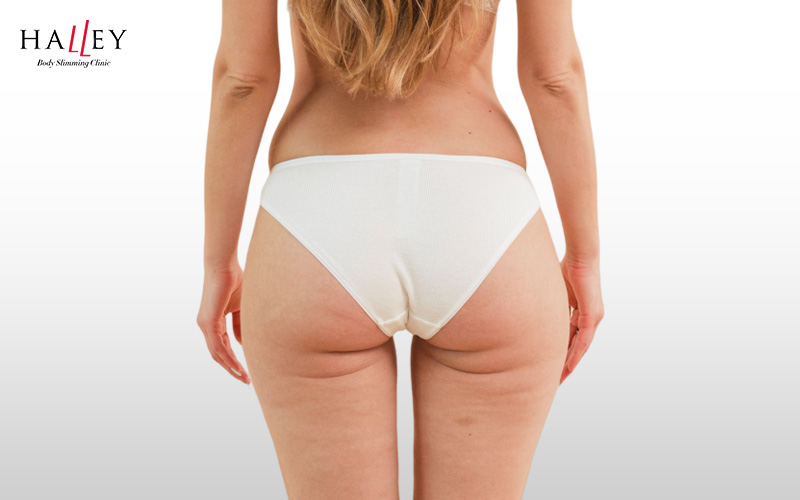
Many people find it challenging to lose thigh fat. Subcutaneous fat in the thighs tends to be particularly resistant to lifestyle changes because fat cells in this area have a higher density of receptors that inhibit fat breakdown. It is a biological characteristic that is influenced by both genetics and hormones.
While the thigh fat can be resistant to change, combining overall weight management, muscle strengthening, and, in some cases, targeted non-invasive fat removal solutions can support gradual improvement.
This article explores why thigh fat develops and which fat reduction approaches may be appropriate for different individuals.
Why does thigh fat develop?
Fat distribution varies from person to person and is influenced by several factors.
1. Genetics and body composition
Some individuals are genetically predisposed to store more fat in the lower body, particularly in the thighs and hips. This is commonly seen in a “gynoid” fat distribution pattern (also known as a “pear-shaped body”), where fat accumulates below the waist.
2. Hormonal influences
Hormones play a significant role in fat distribution. Oestrogen, in particular, promotes fat accumulation in the thighs, hips, and buttocks. This gynoid fat distribution pattern is more common in women and may occur during periods of hormonal change, such as puberty, pregnancy, and the years leading up to menopause.
3. Overall body fat percentage
When overall body fat increases, the thighs may enlarge along with other areas. Conversely, reducing total body fat can also lead to thigh fat reduction, although the rate of change varies.
Is spot reduction of thigh fat possible?
Fat loss occurs throughout the body rather than in a targeted area. As such, spot reduction of fat in one area through weight management and exercise alone is not possible.
A structured approach to reducing overall body fat can help reduce the appearance of thigh fat over time. This typically includes:
- Weight loss: Weight loss happens when the number of calories you expend through exercise is more than the calories you consume from eating
- Regular physical activity: A mix of cardiovascular exercise and strength training helps increase energy expenditure
- Consistency: Sustainable habits tend to produce more stable, long-term results
Prioritising adequate protein intake can help maintain muscle mass during a calorie deficit. This helps preserve the muscle tone and overall leg contours. Reducing intake of processed foods and refined carbohydrates can also support more stable blood sugar levels, which in turn may reduce fat storage driven by insulin spikes.
If you find that lifestyle changes and weight loss are not addressing stubborn areas like the thighs, a doctor can assess whether non-invasive fat removal options may be suitable to complement your overall plan.
How strength training contributes to leg contouring

Strengthening the muscles in the thighs will not help you lose thigh fat, but it can improve muscle tone, support joint stability, and enhance overall leg contouring.
The main muscle groups include:
Quadriceps (front of thighs):
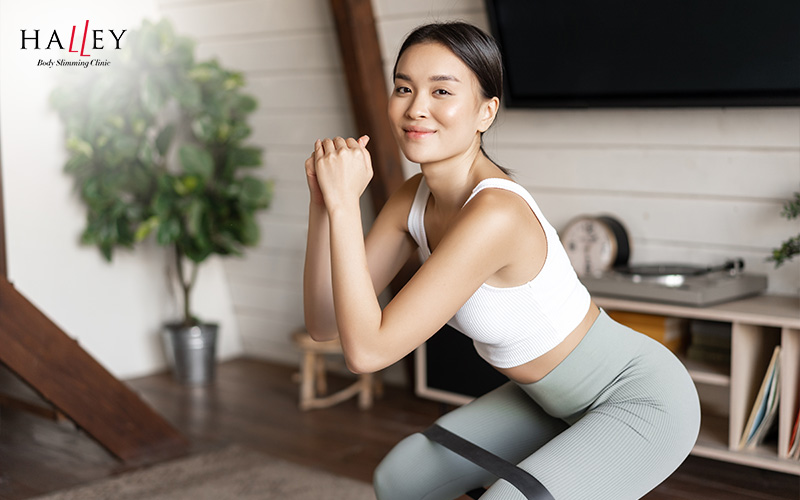
These muscles are involved in knee extension and daily movements such as walking and climbing stairs. Recommended exercises include squats and leg presses, performed with controlled form for three to four sets of 10 to12 repetitions.
Hamstrings (back of thighs):
The hamstrings primarily support hip extension and knee flexion, contributing to balance and posture. Deadlifts and hamstring curls can be performed for two to three sets of 10 to 15 repetitions.
Adductors (inner thighs):
These muscles help stabilise the legs and support controlled movement. Side lunges and inner-thigh exercises can be done in two to three sets of 12 to 15 repetitions per side.
Training considerations:
- Allow adequate rest between sessions to support muscle recovery
- Focus on proper technique rather than heavier weights
- Gradually increase intensity over time
- Combine strength training with low-impact cardio, such as brisk walking or cycling
Strengthening these muscle groups supports joint stability and functional movement and may enhance thigh contour when combined with overall fat reduction.
Exploring non-invasive thigh fat reduction
If the fat around your thighs persists despite weight loss and consistent lifestyle changes, you may consider non-invasive thigh reduction treatments to complement your efforts. These approaches target localised fat deposits without surgery and no downtime.
At Halley Body Slimming Clinic, we offer a range of treatments to help you lose thigh fat, including:
CoolSculpting Elite (Cryolipolysis)
CoolSculpting Elite is a no-downtime fat removal treatment approved by the US Food and Drug Administration (US FDA). It uses controlled cooling to crystallise fat cells in the treatment area, triggering a process known as “cell death”. The body then gradually clears these cells through the lymphatic system, allowing results to develop progressively over a few weeks to months.
Each session focuses on specific areas using applicators, allowing for targeted contouring and removal of unwanted fat.
Most patients report a fairly comfortable treatment experience. You may feel a gentle suction at the start as the CoolSculpting Elite applicator draws the treatment area in. This is followed by a cooling sensation as the applicator lowers the temperature to a controlled -11°C to -13°C. Only fat cells are affected, without damage to the surrounding skin and tissues.
Vanquish fat reduction
Vanquish fat reduction is another no-downtime fat removal treatment approved by the US FDA. Using radiofrequency (RF) energy, it delivers a controlled heat of 40°C to break down fat cells. This non-contact treatment is suitable for mass debulking of unwanted body fat in both the inner and outer thighs.
Patients usually describe the treatment as “warm and comforting”, making it a fairly comfortable experience. We recommend a minimum of four sessions, spaced one week apart, for optimal results. However, more sessions may be prescribed depending on your treatment goals and desired results.
Doctors may incorporate these non-surgical body shaping treatments into a broader plan that includes sustainable lifestyle habits to support and maintain outcomes over time.
Conclusion

Managing thigh fat typically involves a combination of overall weight loss, targeted fat reduction, and consistent lifestyle habits. Progress varies from person to person, as factors such as genetics and body composition influence how and where the body stores and loses fat.
At Halley Body Slimming Clinic, a doctor will assess your concerns and prescribe suitable options, including medically supervised fat reduction and weight loss programmes in Singapore. If you would like a clearer understanding of what may work for you, schedule a consultation to discuss a personalised plan aligned with your goals.