Key takeaways
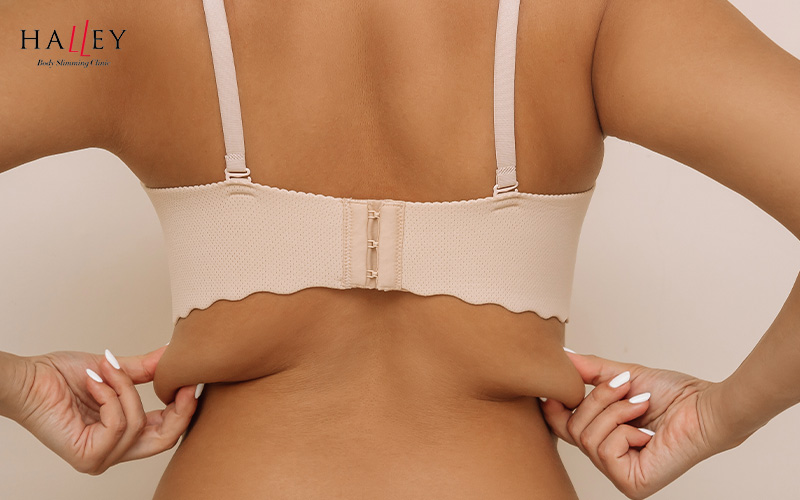
- A muffin top forms when excess fat accumulates around the waist and sides, often influenced by factors such as skin elasticity and patterns of fat storage.
- Hormones, stress, ageing, and genetics can contribute to the development of this concern, not just overall body weight.
- Fat stored around the waist may carry health implications because it is metabolically active and linked to certain conditions.
- Waist and lower back fat can be resistant to diet and exercise, which is why some people consider targeted strategies in addition to lifestyle changes.
Introduction
A muffin top is the common term for the layer of fat that sits above the waistband, most noticeable around the sides and lower back. The rounded bulge forms when fat accumulates in the waistline, influenced by the body’s fat storage patterns and the elasticity of the skin. It can appear in people of many body shapes, making it as much a cosmetic concern as one linked to overall body composition. Here, we look at why muffin tops develop and how fat removal can be approached through various strategies.
Why does a muffin top form?
A muffin top can appear for several reasons, not just weight gain. Hormonal changes during midlife often influence where your body stores fat, with more tending to settle around the waist. High stress levels exacerbate this by increasing cortisol, a hormone associated with abdominal fat storage. As the years pass, a slower metabolism and reduced muscle tone can make it challenging to maintain a firm midsection. Genetics also plays a role in shaping fat distribution patterns, making this area more prone to bulging. At weight management clinic in singapore, including Halley Body Slimming Clinic, these contributing factors are assessed to guide suitable approaches for managing waistline fat.
Is there more to it than appearance?
The bulge you see as a muffin top is caused by subcutaneous fat located just under the skin. While this layer primarily affects appearance, it can coexist with visceral fat, the deeper type that surrounds organs and influences the body’s functions. Visceral fat is metabolically active and has been linked to insulin resistance, cardiovascular problems, and inflammation. That is why muffin tops aren’t really only about how your jeans fit. Conversations about muffin top fat removal and love handle reduction often touch on both health and appearance. A balanced approach of healthy eating, regular exercise, and, when needed, professional treatments, can address your concern.
Why is muffin top fat challenging to manage?
You might find that even with a balanced diet and regular workouts, your waistline might not change as quickly as other parts of your body. This is because fat distribution is influenced by genetics, hormones, and metabolism. Fat cells around the sides and lower back can be resistant to breakdown, making this area slower to respond to weight loss efforts. That is why muffin top fat is sometimes described as stubborn, often being the last to go. For many, removing lower back fat and muffin top fat requires persistence, and in some cases, targeted strategies alongside lifestyle changes. Body contouring or fat reduction treatments, which focus on breaking down fat cells in this specific area can also complement overall efforts.
What can you do about it?
Managing a muffin top starts with everyday habits.
Balanced eating
Focus on whole foods, lean proteins, vegetables, and healthy fats to help your body regulate overall body fat.
Regular exercise
Exercising regularly, including cardiovascular workouts and core-strengthening workouts, can reduce overall fat, tone the waistline, and improve muscle definition.
Improving posture
Standing tall, engaging your core, and strengthening your back muscles can subtly reshape how your midsection looks.
If you’re looking beyond lifestyle changes, non-invasive fat removal treatments may be an option. Approaches such as cryo lipo fat freezing, including systems like CoolSculpting Elite, work by targeting fat cells in specific areas. At Halley Body Slimming Clinic, muffin top fat removal is discussed as part of a comprehensive treatment plan that supports gradual and sustainable outcomes.
Conclusion

Muffin top fat can arise from lifestyle habits, biological changes, and genetics, and may be seen as one of the harder areas to manage. While many see it as a cosmetic concern, its presence may also signal broader health considerations. Addressing it typically involves a mix of personal lifestyle changes and, where suitable, targeted treatment approaches.
Schedule a consultation today to learn more about muffin top fat removal and explore approaches that align with your goals.