Key takeaways
- The pelvic floor muscles support the bladder, uterus, and bowel, and helps control urine and bowel movements.
- Pelvic floor concerns can involve muscles that are weak, overly tight or poorly coordinated. The appropriate approach depends on the underlying cause and symptoms experienced.
- Pregnancy, childbirth, menopause, and heavy straining can place extra pressure on the pelvic muscles.
- Targeted exercises may help improve your pelvic floor muscle health, but ongoing leakage, pelvic pressure or pain should be assessed by a healthcare professional.
- Non-invasive, muscle-strengthening treatments, such as the Tesla Muscle Former Prestige, may be considered as part of a personalised treatment plan for weakening of pelvic floor muscle following a medical consultation.
Introduction
Pregnancy and childbirth can bring many visible changes, from weight gain and loose skin to shifts in body shape. One change that is often overlooked is their effect on the pelvic floor muscles, which help to support the bladder, uterus, and bowel.
For some women, these changes may contribute to urine leakage, a feeling of pelvic pressure, or discomfort that affects their quality of life. Pelvic floor health concerns can be difficult to talk about, but you are not alone.
What is the pelvic floor?
The pelvic floor is a group of muscles and connective tissues at the base of the pelvis. It helps support the pelvic organs, including the bladder, uterus, and bowel, and plays an important role in bladder and bowel control.
The pelvic floor muscles also work together with the diaphragm, abdominal muscles, and back muscles to support posture, stabilise the body, and manage pressure during everyday movements. When the pelvic floor muscles are functioning well, they help the body manage pressure during activities such as lifting, coughing, exercising, and using the toilet.
Factors that may affect your pelvic floor health
Several factors may affect pelvic floor muscle and the supporting tissues over time:
- Pregnancy and childbirth: During pregnancy, the growing uterus and the physical demands of pregnancy can place additional pressure on the pelvic floor. Vaginal childbirth can also stretch the pelvic floor muscles and supporting tissues. Assisted vaginal deliveries and perineal tears may increase the risk of certain pelvic floor disorders.
- Ageing and menopause: Declining oestrogen levels after menopause can contribute to the thinning and reduced elasticity of pelvic tissues. These changes may affect urinary function and pelvic support in some women.
- Pelvic injury or surgery: Injury to the pelvic region, pelvic surgery or damage to nerves and muscles in the area can affect how the pelvic floor muscles contract and relax.
- Heavy lifting and straining: Repeated heavy lifting, especially when holding the breath or bearing down, can increase pressure within the abdomen and place additional demands on the pelvic floor. Women who already experience urinary leakage, pelvic pressure or symptoms of pelvic organ prolapse may wish to seek medical advice about exercise technique and appropriate activity levels. Pelvic organ prolapse is a condition in which one or more pelvic organs (e.g. bladder, uterus, rectum) move down from their usual position and bulge into the vagina because the muscles and connective tissues supporting them have weakened or been damaged.
- Higher body weight: A heavier body weight can place additional pressure on the bladder and pelvic floor, and is associated with a greater risk of certain urinary symptoms, including urinary incontinence. It may contribute to lower urinary tract symptoms or some pelvic floor disorders.
Understanding these factors can help women make informed lifestyle choices and seek advice to help maintain pelvic floor health across different life stages.
Signs that may indicate a pelvic floor concern
Some symptoms that may be associated with pelvic floor concern include:
- Urine leakage when coughing, laughing, sneezing, running, or lifting
- A sudden or frequent urge to urinate
- Difficulty fully emptying the bladder
- Constipation or regular straining during bowel movements
- A feeling of pressure, heaviness or dragging in the pelvic area
- A vaginal bulge or sensation that something is “coming down”
- Pelvic or vaginal discomfort
- Discomfort during sexual activity
- Difficulty relaxing the pelvic floor muscles
These symptoms can have various causes and do not necessarily indicate pelvic floor dysfunction. A doctor can assess the symptoms and determine an appropriate treatment approach.
Can targeted exercises improve pelvic floor muscle health?
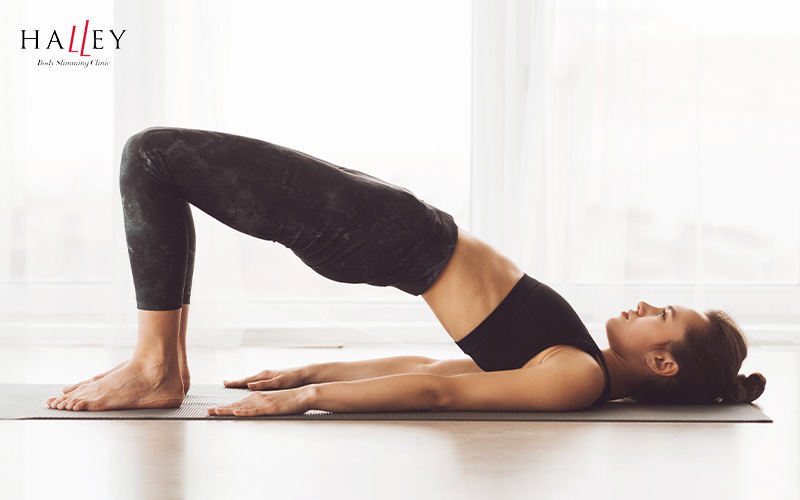
For women with stress or mixed urinary incontinence, supervised pelvic floor muscle training is commonly recommended as a first-line approach. When these muscles contract effectively, they contribute to supporting the urethra and helping it stay closed as pressure inside the abdomen increases. A doctor can tailor an exercise programme to individual needs and help assess whether the muscles are contracting and relaxing correctly.
Kegel exercises, also known as pelvic floor muscle exercises, involve gently contracting and lifting the pelvic floor muscles, then allowing them to relax fully. The aim is to improve muscle strength and control. Here are two common types of Kegel exercises:
- Short squeezes: Contract the pelvic floor muscles for around two seconds, then relax completely. Repeat up to 10 times.
- Longer holds: Gently contract the pelvic floor muscles and hold for as long as you can comfortably while breathing normally. Then relax fully before repeating. Gradually increase the hold time, working towards a hold of up to 10 seconds if comfortable.
Try to practise regularly and focus on the quality of each contraction rather than doing as many repetitions as possible. Allow your muscles to relax fully between contractions, as effective pelvic floor functions require both contractions and relaxation.
However, urinary incontinence is not always caused by weak pelvic floor muscles. Stress urinary incontinence involves leakage during activities such as coughing, sneezing or exercising, while urgency urinary incontinence involves leakage associated with a sudden, difficult-to-defer urge to urinate. Some women experience both.
As the underlying causes and symptoms can vary, it is important to seek medical advice to determine the appropriate approach. Depending on the individual’s needs, treatment may include bladder training, lifestyle adjustments, medication or medical devices and procedures.
How the Tesla Muscle Former Prestige supports pelvic floor muscle strengthening

While targeted exercises are one approach for women looking to strengthen their pelvic floor muscles, some women may find it difficult to engage the pelvic floor muscles correctly or maintain a regular exercise routine.
This is where the Tesla Muscle Former Prestige comes in. It is designed to stimulate muscle contractions, helping women target their pelvic floor muscles as part of a muscle-strengthening programme. It is recommended that you consult a doctor who will check your symptoms, medical history, and identify treatment goals before determining whether this approach is suitable for you.
How the treatment works
The Tesla Muscle Former Prestige uses Functional Magnetic Stimulation (FMS) to stimulate the pelvic floor muscles and back muscles, triggering repeated muscle contractions and relaxation. This non-invasive approach aims to support pelvic floor muscle strengthening and endurance without requiring voluntary contractions during treatment.
The Tesla Muscle Former Prestige is able to contract and release the muscle 75,000 times within a single 45 mins session. You will be seated in a Tesla Muscle Former Prestige treatment chair where you will feel your pelvic floor muscles contracting and relaxing repeatedly as the device delivers magnetic stimulation. The sensation may feel like rhythmic muscle tightening and releasing, with the intensity adjusted according to your comfort and the treatment protocol.
Doctors typically recommend eight sessions done once a week, but the number of sessions may vary depending on your condition and treatment goals.
When it may be considered
The Tesla Muscle Former Prestige may be considered for women who find it difficult to identify or voluntarily activate their pelvic floor muscles. It may also be considered for women who are looking for an additional support to pelvic floor muscle training alongside a suitable exercise routine.
However, women experiencing persistent pelvic pain, a vaginal bulge, significant pelvic pressure or difficulty passing urine should seek medical assessment as these symptoms may require further evaluation and a different treatment approach.
Other post-pregnancy concerns you may wish to discuss
Pelvic floor health is only one part of the physical changes that may follow pregnancy and childbirth. Depending on your concerns, the doctor may also discuss other non-surgical options that support your broader post-pregnancy goals.
1. Weight management programmes
Some women find that weight changes after pregnancy difficult to manage, particularly while adjusting to disrupted sleep, changing routines, and childcare demands. A doctor-guided weight loss programme can provide support your weight loss effort with realistic dietary and activity changes.
Weight loss works by creating a calorie deficit, in which calorie expenditure exceeds calorie intake. Any medication or programme should be prescribed and monitored according to individual medical needs.
2. Skin tightening for loose or lax skin
Pregnancy and changes in body size can leave some women concerned about loose body skin, particularly around the abdomen. Non-invasive skin-firming treatments may be considered for suitable patients, including options that use radiofrequency (RF) or ultrasound energy to stimulate collagen production in the treated area.
Conclusion
Pelvic floor health plays an important role in bladder control, pelvic organ support, and comfort during everyday activities. Although some women notice changes after childbirth, other factors – including menopause, ageing, constipation, persistent coughing, and repeated straining – may also affect pelvic floor muscle function over time.
Targeted pelvic floor exercises may be helpful for some women, while others may benefit from medical assessment or pelvic health physiotherapy. Women interested in exploring non-invasive options, such as the Tesla Muscle Former Prestige, can discuss these with a doctor to understand whether they are appropriate for their individual needs.
A consultation can help assess your concerns, identify possible contributing factors, and guide discussions about appropriate treatment options.
Speak with a doctor at Halley Body Slimming Clinic to explore appropriate treatment options today.