Key takeaways
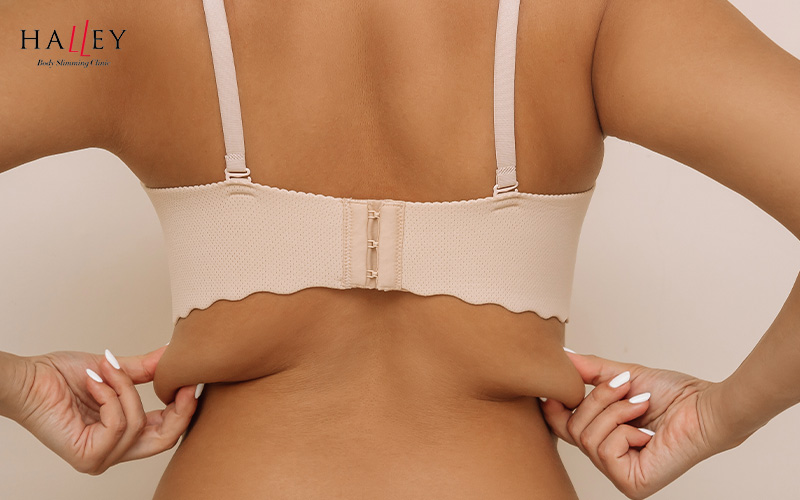
- Fat rolls in the abdomen area are a result of your overall body fat levels, fat distribution, and skin characteristics, and are a common, non-harmful feature.
- Weight loss primarily reduces the size of fat cells across the body, but it cannot target specific areas or remove these fat cells.
- Diet, physical activity, and lifestyle habits form the foundation of a weight management plan.
- Some areas of localised fat may remain despite consistent efforts due to genetic fat distribution patterns.
- The treatment for fat rolls is clinically-supervised fat reduction treatments.
Introduction

Fat rolls are a common and natural part of how the body stores fat. They develop due to overall body fat levels, fat distribution patterns, skin elasticity, and how tissues sit over underlying structures. Yet, they are often a source of insecurity, driving many individuals to look into reducing the appearance of these folds.
However, it is important to note that fat folds in our abdominal area cannot be selectively reduced through diet, exercise, or lifestyle changes alone. These approaches primarily support overall weight loss and reductions in total body fat, and cannot remove body fat in a specific area of our body. As overall body fat decreases, some areas may become less prominent, but localised fat will remain. Fat reduction treatments are used instead for effective removal of stubborn fat folds but it is recommended that you consult a doctor who will determine if your overall weight, health, and body profile are suitable for the treatment.
If you have been looking into how to get rid of your tummy fat rolls, this article explains the difference between weight loss and targeted fat reduction, and when each approach may be considered.
Can you get rid of fat rolls through weight loss?
Many people look to weight loss in an effort to get rid of their tummy fat rolls. But in reality, can weight loss make a difference?
What happens during weight loss
Weight loss primarily affects the size of fat cells but the number of fat cells in your body remains the same. When the body uses stored energy, fat cells release their contents and shrink in size. You will see a reduction on the weighing scale as a result and you may look slimmer overall. But once calorie intake increases again, the fat cells increase in size again.
Why this may not affect your fat rolls
Fat loss occurs throughout the body rather than in a single targeted area. When the body uses stored fat for energy, it draws from multiple regions based on individual physiology and genetics.
Lifestyle changes, such as diet and exercise, can shrink fat cells but do not remove them from one isolated area. As a result, localised fat in the tummy area will persist despite consistent weight management efforts.
When other approaches may be considered
If you are overweight or obese, it is generally advisable to focus on overall weight reduction before considering fat reduction treatments for spot reduction of fat rolls. This is because fat reduction procedures are designed to address localised fat deposits rather than produce significant weight loss, and outcomes may be limited if excess fat is more widespread.
Once you have achieved a healthy and stable weight—through dietary changes, increased physical activity, or medically supervised weight loss medications—you then have a more suitable baseline to support subsequent fat reduction treatments in areas with stubborn fat such as the tummy.
If you are unsure if you are suitable for fat reduction treatments or if weight management should be your first-line therapy, it is recommended that you consult a weight management and fat reduction doctor who will assess your medical history, health, and body profile before prescribing a treatment plan for you to reduce your fat rolls.
How to approach weight management as part of strategy to get rid of tummy fat rolls
1. Dietary changes for weight management
Dietary habits play a central role in healthy weight management, which can influence your overall body fat level.
- Balanced meals: Building meals around whole foods such as vegetables, fruits, lean proteins, and whole grains can support more stable energy intake and reduce reliance on highly processed options.
- Protein and fibre: Adequate protein intake supports muscle maintenance during weight loss, while fibre helps promote satiety and regulate appetite.
- Limiting processed foods and added sugars: Highly processed foods are often more energy-dense and less filling, which may contribute to excess calorie intake over time.
2. Exercise and physical activity
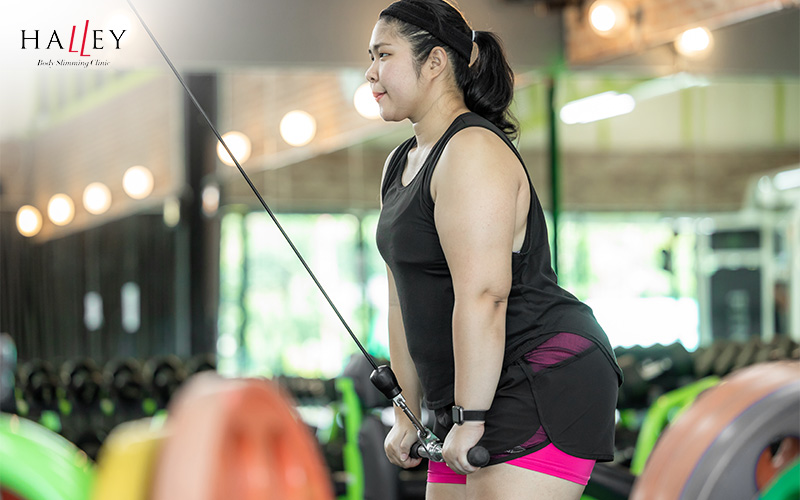
Including physical activity in weight management plans helps increase energy expenditure and support a healthier body composition.
- Cardiovascular activity: Regular aerobic exercise, such as brisk walking, cycling, or swimming, helps burn calories and support overall weight loss.
- Strength training: Resistance exercises can help build muscle mass during weight loss. In some individuals, this can help the body appear more toned as their body fat decreases.
- Core exercises: Core exercises do not reduce stomach fat, since spot toning exercise does not result in fat loss in a specific area. However, core exercises strengthen and tone the abdominal muscles, helping the tummy appear firmer and more defined while improving overall core muscle strength and function.
- Daily movement: Habits such as walking more, taking the stairs, or reducing sedentary time can contribute to daily energy expenditure and support weight management.
3. Lifestyle habits and adjustments
Lifestyle factors and habit changes can influence your adherence to a weight loss plan and overall outcomes.
- Sleep: Adequate sleep is linked to better regulation of appetite-related hormones, which may help maintain consistent eating patterns over time.
- Stress management: Chronic stress may influence eating behaviours and energy balance. Managing stress through practical strategies such as regular activity, structured routines, or relaxation techniques can support overall lifestyle stability.
4. Clinical fat reduction options
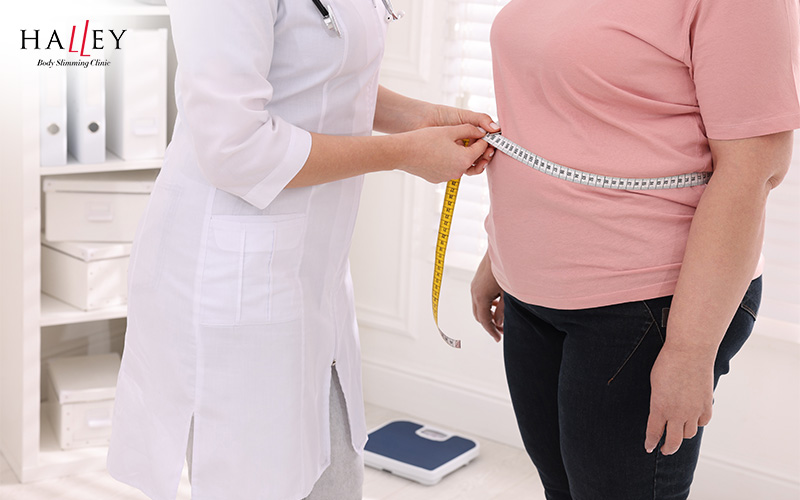
While exercise and lifestyle adjustments can support overall weight management, some areas of localised fat may persist despite consistent habits. For those exploring how to get rid of abdominal fat rolls, clinically supervised options may be considered for areas that remain resistant.
- Cryolipolysis (CoolSculpting Elite): This treatment uses controlled cooling to target and freeze fat cells beneath the skin. Fat cells are more sensitive to cold temperatures than surrounding tissues, allowing them to be removed without surgery. Over time, the body gradually processes and removes these frozen, dead fat cells, gradually reducing thickness in the treated area.
- Multi-Area treatments (DualSculpting or QuadSculpting): These approaches use the same cryolipolysis technology but involve applying multiple CoolSculpting Elite applicators during a single session. This allows more than one non-overlapping treatment area, such as the abdomen and thighs, to be treated at the same time. This approach is often considered for those looking to freeze tummy fat alongside other areas of the body.
- Radiofrequency (Vanquish): This method uses radiofrequency (RF) energy to heat and destroy fat cells in a targeted area. This controlled heating process affects fat cells without damaging the surrounding skin tissues. It is used for debulking larger areas of fat in areas such as the abdomen.
- Cold-Hot Body Contouring Therapy: Some treatment plans may combine CoolSculpting Elite(cold) and Vanquish(heat) to achieve the desired result. The aim is to target and destroy fat cells through different mechanisms, although suitability, sequencing, and timing depend on individual assessment and should be guided by a doctor.
These solutions are typically considered after consistent lifestyle measures such as diet and exercise have been established and the overall weight is healthy. These treatments are not a substitute for weight loss, but removes stubborn fat from the stomach without surgery.
Conclusion
Understanding how to get rid of fat rolls begins with recognising the difference between overall weight loss and targeted fat reduction. Lifestyle strategies such as diet, physical activity, and daily habits form the foundation by supporting gradual weight loss. However, clinically-supervised fat reduction treatments remain the first-line treatment option for removing stubborn fat in the abdomen.
At Halley Body Slimming Clinic, treatment plans are tailored based on individual body composition, goals, and health profile. A doctor will assess your medical history and take measurements like your BMI before prescribing a treatment plan that is appropriate for you. Arrange a consultation today to discuss your options.