Key takeaways
- Hormonal shifts, genetics, and lifestyle habits are common factors that contribute to fat accumulation in the chest area.
- Understanding the difference between natural fat distribution and possible medical conditions helps in identifying the treatment needed.
- Psychological and social effects can influence comfort and one’s confidence, making it important to approach the issue with awareness and support.
- Making lifestyle changes and exploring available treatments can help reduce chest fat in a safer and more sustainable manner.
Introduction
Male chest fat or enlargement of the male chest is a common concern linked to biological, lifestyle, and medical factors. While usually harmless, excess chest fat or male chest fullness can affect confidence, body image, and comfort. Furthermore, fullness in the male chest may not always be due to excess fat but to excess breast gland tissue. That is why it is important to understand the causes, concerns, and treatments to reduce male chest fat or male chest fullness so as to help individuals make informed treatment decisions.
Hormonal influences
Hormonal changes play a major role in regulating fat storage, metabolism, and muscle composition, including in the chest area.
- Testosterone and oestrogen balance: The balance of these two hormones determines the body composition in men. Fluctuations in these hormones can affect metabolism and fat distribution, sometimes leading to fat accumulation or tissue growth in the chest.
- Testosterone: Testosterone supports muscle growth, the fat-burning process, and metabolic rate. It promotes lean tissue and limits fat accumulation, especially in areas like the chest and abdomen.
- Oestrogen: It would be wrong to think that men do not have oestrogen. Men naturally produce small amounts of oestrogen through the conversion of testosterone by the enzyme aromatase. Oestrogen helps to regulate mood, cholesterol levels, and bone density. However, if oestrogen levels rise disproportionately, it can contribute to fat storage and breast tissue development (gynecomastia).
Ageing, obesity, and medications are some triggers that can cause hormonal imbalance, leading to a greater tendency for chest fat or glandular tissue accumulation.
- Fat distribution: This is often seen in men who experience constant fat accumulation in the chest, even when they maintain regular exercise or a healthy diet. This isn’t just about calories; hormones and genetics may be the reasons behind this.
- Localised fat resistance: Beta-adrenergic and alpha-adrenergic receptors control how quickly fat is used during exercise, and different body areas have different densities of these receptors. Our chest and lower abdominal fat areas often have fewer fat-burning receptors, making it harder to get rid of fat in those areas.
- Androgen receptor sensitivity: Fat cells in certain areas, including the chest, may have lower sensitivity to androgen signalling. Since androgens such as testosterone can affect how fat is metabolised, reduced receptor activity can limit fat breakdown in these regions.
- Understanding hormonal shifts: Identifying hormonal imbalances early through medical checks allows individuals to explore appropriate treatments.
- If you notice persistent chest fat or nipple tenderness, see a doctor for hormonal blood tests to identify imbalances. On top of medications, lifestyle adjustments are often necessary to improve the condition.
Genetic predisposition
Genetics can play a significant role in how and where the body stores fat. For some individuals, inherited traits make the chest a more likely site for fat accumulation, contributing to visible male chest fat even with a healthy lifestyle.
While genetics cannot be altered, recognising this influence helps set realistic goals for body fat management. Having a balanced diet and strength training helps overall fat reduction, but keep in mind that it is not possible to spot-reduce in one specific area through exercise alone.
Although regular exercise and healthy routines aid in overall fat reduction, targeted solutions such as body sculpting treatments can help reduce male chest fat. However, it is recommended that you consult a doctor who will assess whether this treatment is suitable for you.
Weight and lifestyle factors
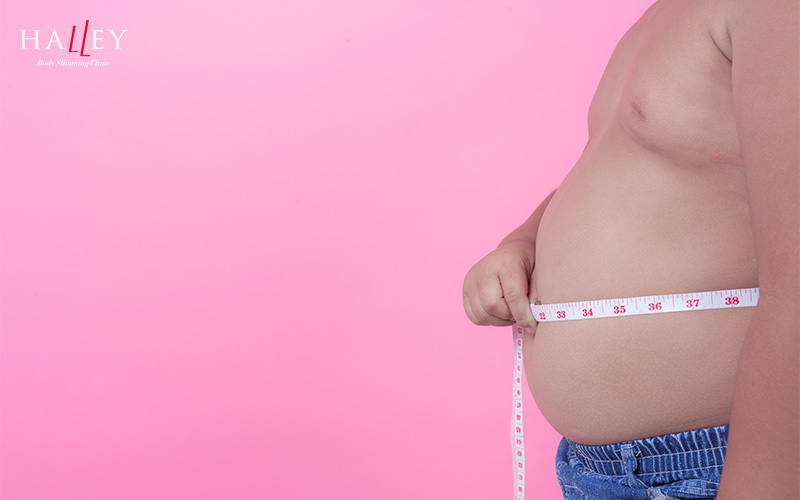
Among the causes of male chest fat, daily habits play a role, too. Lifestyle choices like high-calorie diets, inactivity, and inconsistent exercise can increase how much fat the body stores overall.
Key contributing factors include:
- High-calorie diets: Consistently taking in more calories than what the body burns leads to excess fat storage, including around the chest. Unhealthy diets that are high in fat, processed foods, sugary drinks, and alcohol can promote excess calorie intake and fat storage.
- Prolonged inactivity: A lack of physical movement slows down metabolism, reduces calorie expenditure, and encourages fat buildup everywhere in the body.
- Irregular physical activity: Inconsistent or infrequent workouts may cause muscle loss, resulting in a slower metabolism and fat accumulation.
Balanced nutrition, regular physical activity, and adequate rest form the foundation of weight management. For those looking into how to lose male chest fat, these approaches may support overall fat reduction, but will not help in spot reduction of fat in the male chest area.
Medical conditions and medications
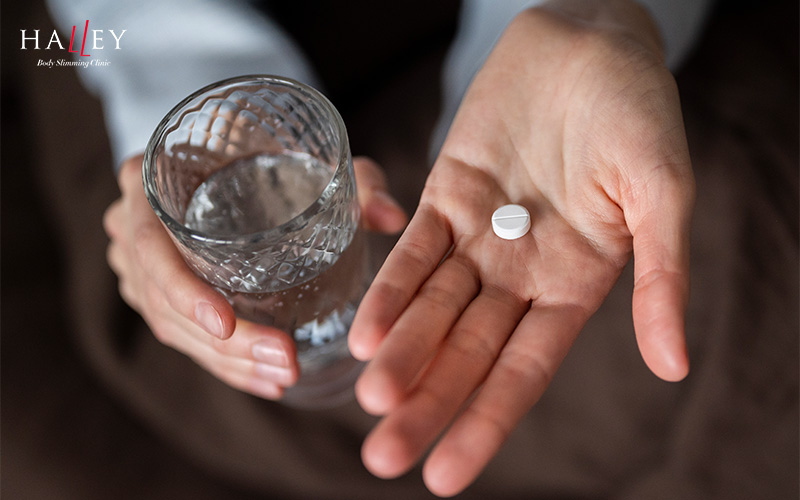
Certain health conditions and medications can contribute to male chest fat through hormonal or tissue changes. In some cases, the change involves glandular growth (gynecomastia); in others, it results from fat accumulation (pseudogynecomastia).
Common contributing causes include:
- Gynecomastia: A condition where glandular breast tissue enlarges due to a hormonal imbalance involving testosterone and oestrogen.
- Medication side effects: Some prescribed drugs, such as anabolic steroids, hormonal therapies, certain antidepressants, or heart medications, can disrupt hormone levels, alter fat distribution patterns, and promote chest tissue growth.
- Hormonal imbalance: Disrupted hormone levels may intensify fat accumulation in the chest region. Conditions such as hypogonadism, thyroid disorders, pituitary disease, or chronic liver disease may lead to a hormonal imbalance that results in chest enlargement.
- Excess fatty tissues: If the chest fullness is due to excess fatty tissue rather than glandular tissue, i.e., gynecomastia, non-invasive fat removal treatments like CoolSculpting Elite can be considered as a treatment option.
Identifying and understanding these causes is a key step in identifying suitable options.
Psychological and social concerns
Beyond physical appearance, male chest fat or male chest fullness can affect how individuals feel and engage in daily life. Its effects often extend beyond body image, influencing confidence, comfort, and daily well-being.
- Self-esteem and confidence: Some individuals may feel self-conscious about their appearance, especially when choosing clothes or in social settings.
- Comfort in daily routines: Being overly conscious of the chest area may affect posture, clothing preferences, or willingness to engage in certain activities.
Addressing both the physical and emotional aspects of male chest fat or male chest fullness can improve confidence and overall quality of life.
Approaches to reduction
Reducing male chest fullness depends on whether the cause is due to gynecomastia (excessive breast tissue) or excess male chest fat.
Gynecomastia
If the enlargement is due to gynecomastia, the doctor can determine if the gland enlargement is due to causes like hormone imbalances or medical conditions like thyroid issues. Treating the root cause may reverse mild cases of gynecomastia.
In some cases, hormone-modulating drugs may be prescribed to reduce gland tissue. But for persistent or severe gynecomastia, male breast reduction surgery may be required. It is recommended that you consult a doctor on a treatment option most suitable for you.
Excess male chest fat
If male chest fullness is linked to obesity or certain drugs like steroids, fat reduction treatment combined with weight management or stopping the medication—under medical supervision—can help.
Clinics such as Halley Body Slimming Clinic provide evidence-based treatment methods that can target localised body fat.
- For instance, CoolSculpting Elite is a non-surgical fat-freezing procedure approved by the US Food and Drug Administration (FDA). CoolSculpting Elite helps treat male chest fat by freezing and eliminating excess fat cells in the chest area, reducing unwanted fullness and contouring a flatter, more defined chest without surgery or downtime.
Our doctors will be able to assess the condition and determine if the male chest fullness is due to excess fat and if it can be treated using CoolSculpting Elite. Results may vary based on individual factors such as body composition, lifestyle, and adherence to medical advice.
Conclusion
Fat in the chest can result from hormonal, genetic, lifestyle, or medical factors. Recognising these influences helps individuals decide when medical intervention is required and choose the appropriate treatment.
To learn more or discuss safe management options, you may consult Halley Body Slimming Clinic for a treatment tailored to your needs.