Key takeaways
- Excess abdominal fat can increase the risk of health conditions such as heart disease and diabetes, making it important to understand its impact.
- Different types of belly fat affect both appearance and long-term health in distinct ways.
- Myths about quick fixes or targeted exercises are common, but sustainable change requires addressing overall contributing factors.
- A combination of lifestyle adjustments and medical guidance, helping individuals make informed decisions for long-term well-being.
Introduction
Belly fat isn’t just about appearance; it can also affect health. Carrying excess fat around the midsection has been linked to increased risks of heart disease, diabetes, and metabolic conditions. Many people search for how to remove fat from stomach without surgery, but quick fixes and one-size-fits-all advice rarely work. This article explains what belly fat really is, why it matters, and clears up common myths so you can make informed decisions about safe, evidence-based ways to manage it.
Types of belly fat and why they matter
Belly fat builds up in the upper and lower abdomen, and along the flanks (“love handles”), all of which are areas prone to stubborn bulges. However, not all belly fat is the same.
Subcutaneous fat is the soft, pinchable layer that sits just beneath the skin. It is considered normal, but excess amounts can contribute to visible bulges, and may increase the risk of chronic conditions.
In contrast, visceral fat lies deeper in the abdomen, surrounding organs like the stomach, liver, and intestines. It is more strongly associated with serious health issues like heart disease and diabetes. Knowing the difference matters when planning a safe strategy for losing belly fat. Lifestyle changes impact both, but body contouring and medically guided options available at clinics target only subcutaneous fat.
Why fat tends to accumulate in the abdomen
Why does fat typically get stored around the midsection? A combination of hormones, genetics, and lifestyle factors shapes how the body stores fat. Reasons include:
- Genetics: For some, the abdomen is the body’s default storage zone.
- Hormonal changes: Shifts in oestrogen, testosterone, and cortisol, which can be caused by high stress and poor or insufficient sleep, influence how fat is stored.
- Subcutaneous fat resistance: Fat under the skin has more alpha-2 receptors, which slow down fat breakdown, making abdominal bulges harder to shrink.
- Ageing: Muscle mass decreases and metabolism slows with age, which can make fat loss less efficient.
This explains why learning how to lose belly fat requires more than exercise alone. It involves addressing root causes through balanced nutrition, movement, and medical guidance when necessary.
Health risks linked to excess belly fat
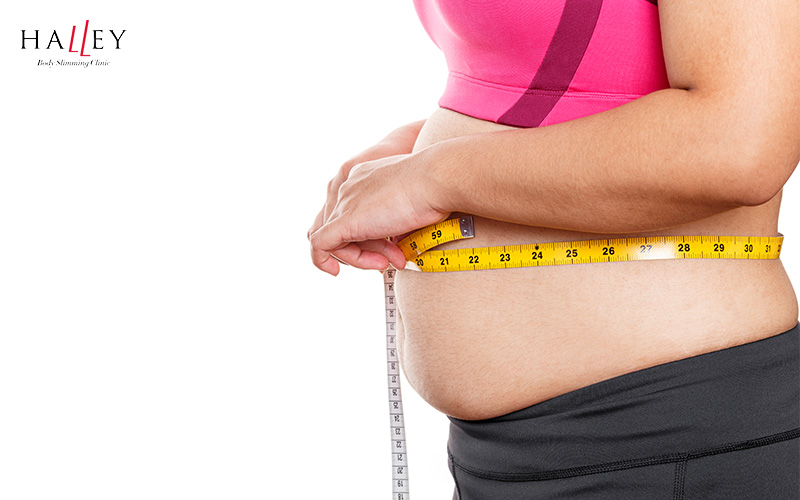
Beyond appearance, excess abdominal fat is linked with long-term health concerns such as cardiovascular disease, insulin resistance, and inflammation. Monitoring waist circumference is recommended as a practical measure of risk. Addressing belly fat is therefore not only about appearance but also part of supporting overall health. Understanding how to lose belly fat safely means taking into account these wider health factors.
Common myths about losing belly fat
There are several misconceptions about how to lose belly fat, making it even more frustrating to manage. Here are some of the most common:
Myth 1: Crunches and sit-ups burn belly fat
While these exercises strengthen core muscles, they do not selectively burn fat from the stomach. What crunches and sit-ups do is strengthen and tone the underlying muscles of your core. Your abs will get stronger, but the fat covering them remains unless you also focus on overall fat reduction. To lose belly fat, these exercises should be combined with full body workouts, cardiovascular exercises, and proper nutrition.
Myth 2: Certain foods “melt” belly fat
It is tempting to believe that the viral supplements you see on social media can make belly fat disappear. However, no food or supplement can directly target fat in the abdomen. Instead, a balanced diet with fewer processed foods and sugary drinks supports overall fat reduction, which includes the belly area.
Myth 3: Spot reduction is possible
From slimming belts to topical fat burning creams, many products claim to target belly fat directly. The reality: fat reduction cannot be isolated to one area through lifestyle changes alone. When you are losing fat, your body loses fat everywhere, not just in one spot.
Myth 4: Quick fixes deliver lasting results
Crash diets, juice cleanses, or extreme workouts may lead to temporary weight loss, but they are not a sustainable way to reduce belly fat. Once your normal lifestyle resumes, the weight you lost often creeps back. Sustainable weight loss, including losing belly fat, requires consistent good habits: balanced meals, regular physical activity, good sleep, and stress management. If you struggle despite making these changes, professional guidance from a doctor can provide safe and effective solutions that last.
Myth 5: Belly fat removal = weight loss
Weight loss shrinks fat cells across the body, while medical treatments such as stomach fat removal procedures can eliminate fat cells in specific areas. They all serve different purposes, but a consultation with a qualified medical professional can help determine which is right for you.
Approaches that support belly fat reduction

Managing belly fat involves addressing several different factors. Lifestyle habits like balanced eating, regular exercise, and stress and sleep management form the foundation. For those with stubborn fat bulges that persist, clinical methods, such as non-invasive treatments or body contouring, can provide additional options. Seeking support at slimming centres in Singapore, such as Halley Body Slimming Clinic, can serve as appropriate weight loss strategies. Ultimately, exploring how to lose belly fat requires both personal commitment to lifestyle management and evidence-based support.
Conclusion
Belly fat is more than a matter of appearance; it has real health implications. By understanding its types, why it is resistant to change, and separating myth from fact, you can make informed decisions about managing it. Sustainable fat reduction comes from combining lifestyle habits with medical guidance where appropriate, which may include non-invasive options such as tummy fat removal for those seeking additional support.
If you are considering ways to manage belly fat, book a consultation today with Halley Body Slimming Clinic to learn which approach is best suited for you.