Loose skin after weight loss

Loose skin after weight loss

Halley Body Slimming Clinic|Loose skin after weight loss

Weight loss can bring positive changes to health and body shape, but some individuals may notice loose or sagging skin after significant weight loss. This can happen when the skin does not fully adapt to changes in body size following weight loss, childbirth, or natural ageing. Areas such as the abdomen, arms, thighs, and buttocks are commonly affected. This page explains the causes of skin laxity, the areas where it may appear, and the non-surgical skin tightening options available in Singapore.

Understanding loose skin after weight loss

Loose skin is often a natural result of significant weight loss, particularly when it happens rapidly. While the body adapts to a smaller shape, the skin may not bounce back as easily, especially if it has lost its elasticity and firmness due to ageing. Here’s what you need to know about the science behind skin laxity, and why it happens.

What exactly is loose skin?

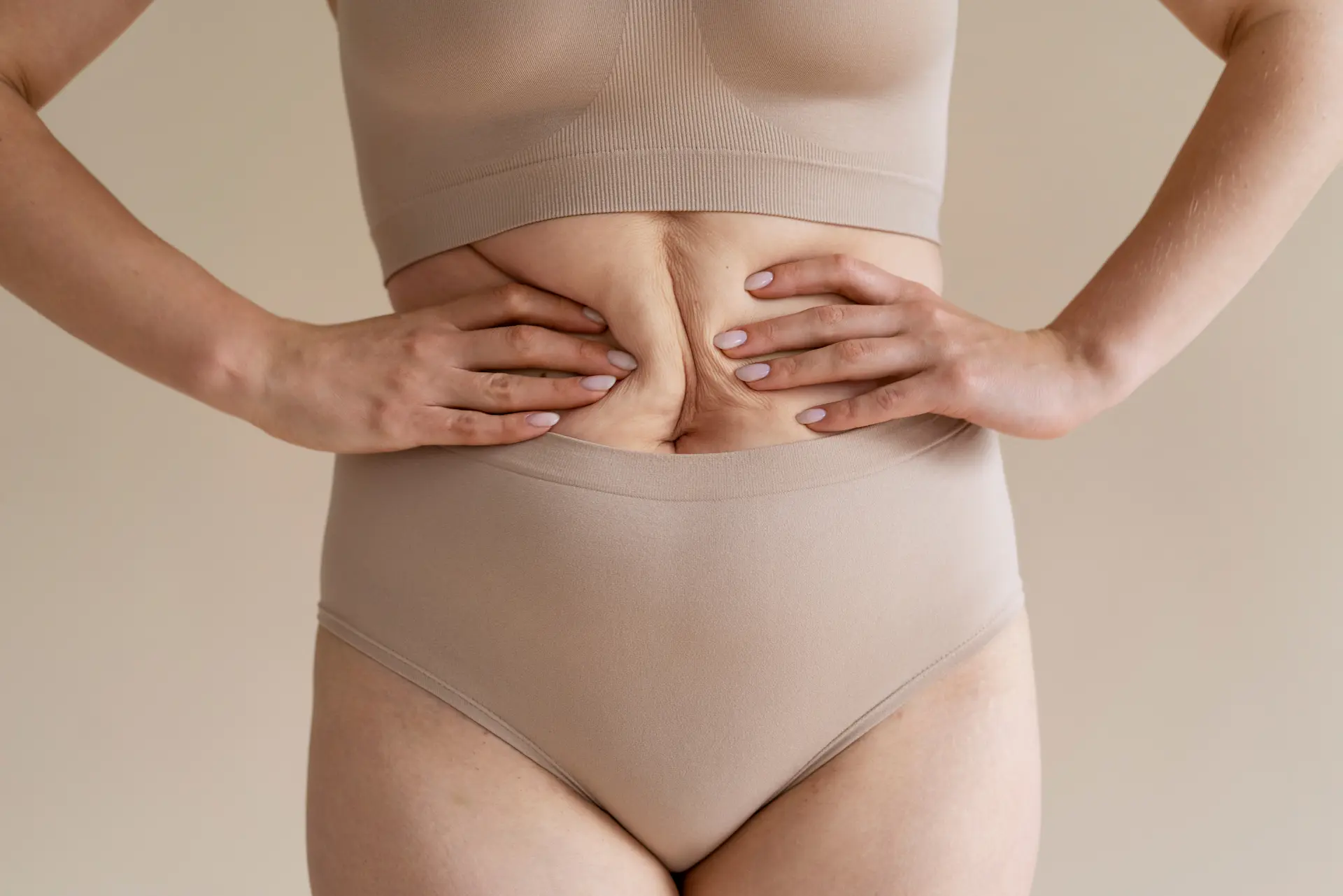
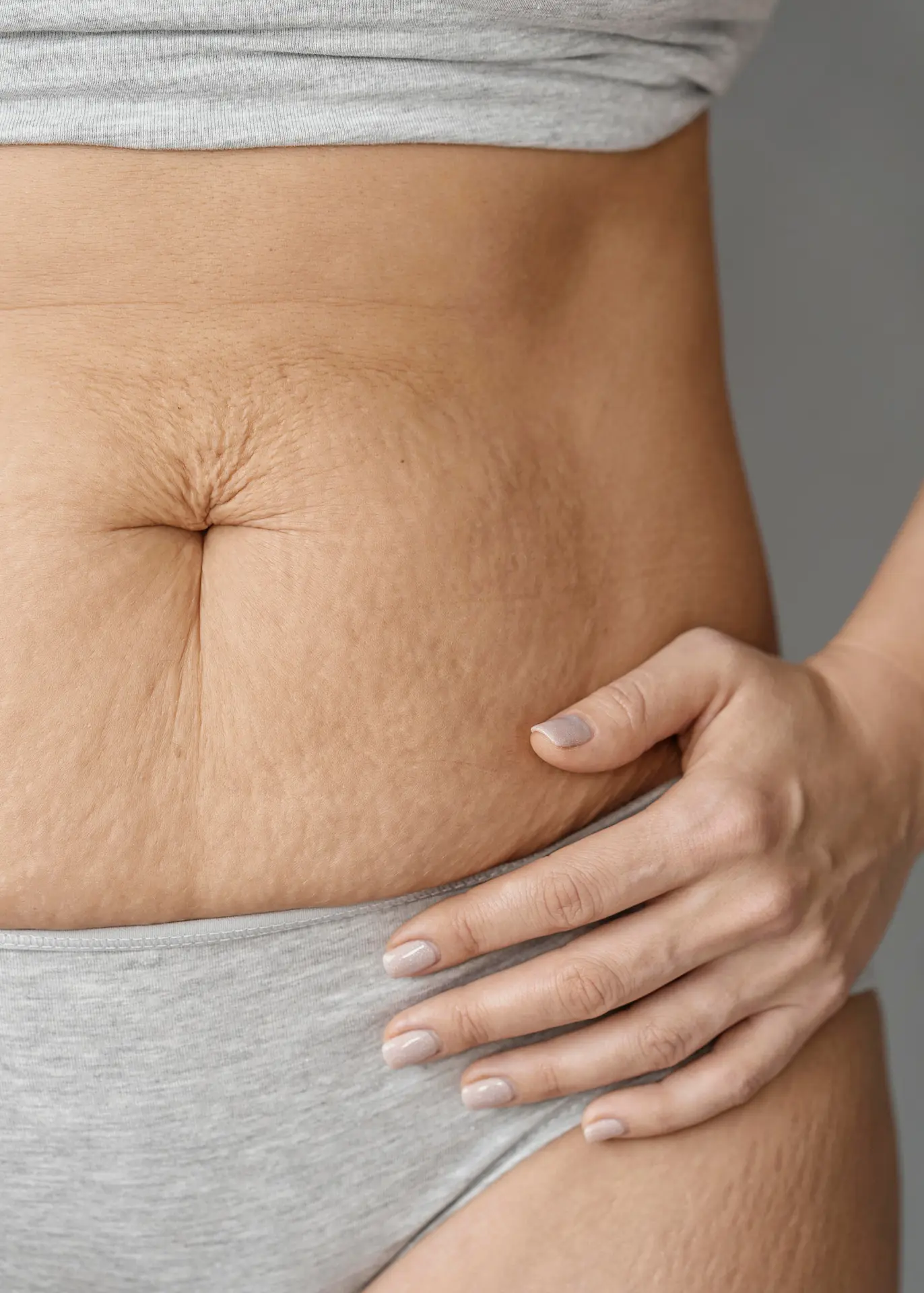
Loose skin refers to the visible sagging or wrinkling of skin that lacks sufficient elasticity to conform to a reduced body size. It commonly occurs after lifestyle changes, childbirth, bariatric procedures, or fat-reduction treatments.

The role of collagen and elastin in skin elasticity

Healthy skin contains collagen and elastin—proteins that help our skin stay firm, supple, and quickly return to shape after stretching. When these elastin fibres weaken due to age, weight fluctuations, or external stressors, the skin loses elasticity and becomes more prone to sagging.

When the skin can’t keep up with weight loss

In cases of rapid or significant weight loss, the skin often cannot tighten at the same pace, leading to visible skin laxity. As a result, loose or sagging skin may remain even after weight stabilises, which is a common concern among individuals in Singapore who have lost weight.

Halley Body Slimming Clinic|Loose skin after weight loss
861b0c7fbefb2e5e1a3419d97263f1d691275b2d

Areas where loose skin commonly appears

Loose or sagging skin after weight loss often appears in areas that originally carried more body fat and experienced the greatest reduction in volume. Here are some areas that people are concerned with.

Abdomen

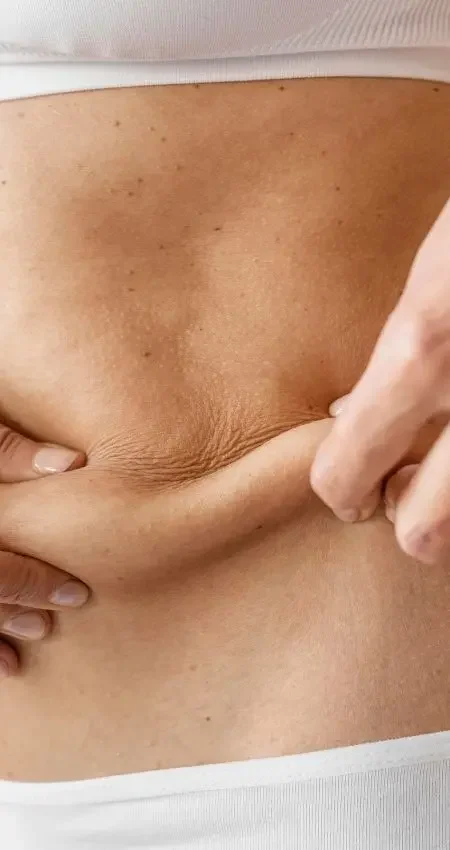
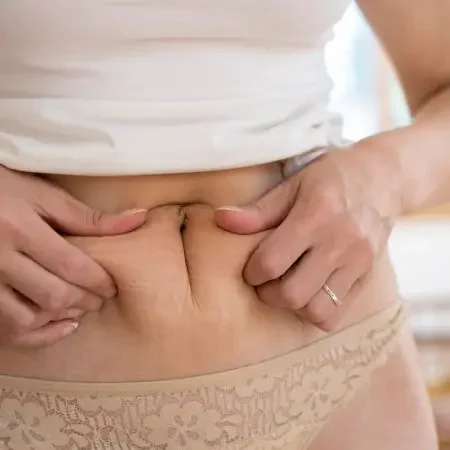
Loose skin on the abdomen, often described as an “overhang” or folds, is one of the most common concerns after slimming down or post-pregnancy. This happens when abdominal skin has stretched significantly and no longer has enough elasticity to tighten back on its own.

Arms

Loose skin on the arms—often referred to as “bat wings”—typically affects the underside of the upper arms. This area is more prone to sagging because the triceps region naturally holds more fatty tissue and has thinner skin. As fat volume decreases and collagen and elastin fibres weaken with age or weight loss, the skin loses its ability to stay firm and begins to droop.

Thighs

Saggy thighs or saggy skin on the thighs can appear along the inner or outer legs, often looking wrinkled or droopy after fat loss. This happens because the thigh area has thinner skin and fewer supportive collagen fibres, making it more prone to laxity—especially with ageing, reduced skin elasticity, or repeated weight fluctuations.

Buttocks

Saggy buttocks or loose buttock skin commonly occurs when significant or rapid fat loss reduces the structural support beneath the skin. As collagen and elastin decline, the lower gluteal region may appear lax due to reduced firmness and elasticity.

Hips and flanks

Loose skin along the hips and flanks often occurs when long-term stretching from adipose (fat) tissue reduces the skin’s elasticity. After fat volume drops—whether through slimming treatments, lifestyle changes, or childbirth—the skin may lack the structural integrity to contract fully resulting in sagging, creasing, or folds at the sides of our torso.

What causes loose or saggy skin

A variety of internal and external factors can result in skin laxity. Understanding these causes may help manage expectations and guide decisions about treatment.

Halley Body Slimming Clinic|Loose skin after weight loss

Rapid weight loss and collagen depletion

When weight or fat volume is lost too quickly, the skin may not have sufficient time to undergo natural tightening and collagen remodelling. This is especially true when collagen and elastin fibres have been weakened by ageing or prolonged skin stretching. As a result, the skin can appear loose or lax after rapid slimming.

Halley Body Slimming Clinic|Loose skin after weight loss

Ageing and natural decline of skin elasticity

As we age, the skin naturally loses its ability to stretch and rebound due to a slowdown in collagen and elastin production. This decline in skin elasticity can make sagging more prominent after weight loss.

Halley Body Slimming Clinic|Loose skin after weight loss

Post-pregnancy and hormonal changes

Pregnancy often stretches the skin around the abdomen, while hormonal changes during and after childbirth may weaken connective tissues. After delivery, the skin may not fully retract, resulting in excess or loose skin in the abdominal area that does not improve with time alone, requiring postpartum treatments.

Halley Body Slimming Clinic|Loose skin after weight loss

Lifestyle factors and sun exposure

Poor nutrition, smoking, and chronic dehydration can impact skin quality. In Singapore, sun damage from UV exposure is also a key contributor to premature collagen breakdown, accelerating skin ageing and sagging.
When to consider a tightening treatment for loose skin

You may consider a tightening treatment for loose skin when skin laxity begins to affect your comfort, confidence, or daily activities, especially when lifestyle changes alone no longer provide visible improvement.

Loose skin affects comfort or confidence

If loose skin causes discomfort, skin irritation, or affects the way clothing fits, treatment may help improve your overall quality of life.

Lifestyle habits aren’t enough

While strength training, hydration, and healthy habits supports overall skin health and helps to improve the appearance of loose skin, they cannot directly tighten true skin laxity. True skin laxity occurs when collagen and elastin fibres are stretched, weakened, or damaged from weight changes, ageing, pregnancy, or volume loss. Muscle training and drinking more water cannot rebuild these fibres or shrink excess skin.

After major weight loss or post-pregnancy

Skin laxity after extreme weight loss and childbirth arises from a combination of structural, hormonal, and mechanical changes that affect the skin’s ability to retract. For some individuals, repeated pregnancies may further contribute to this. When the skin no longer responds to natural healing or lifestyle measures, non-surgical skin tightening may be explored as a supportive option for restoring firmness.

When you want non-surgical improvement

If you’re not ready for surgery or simply prefer non-invasive approaches, medically-guided treatments can offer gradual, visible results with zero downtime.

A qualified medical professional can help assess whether treatment is suitable, and provide realistic expectations.

4aee10b0366c7396ba59196e7c61f9ca9ecb1291

When lifestyle measures may not be enough

Lifestyle measures such as gradual weight loss, exercise, and good skin care habits can support overall skin health, but they may not always address more noticeable skin laxity. In cases of significant weight loss or long-standing skin stretching, loose skin may persist despite these efforts.

This happens because collagen fibres, which help provide structure and elasticity to the skin, can become permanently weakened or less responsive over time. When this occurs, the skin may not fully retract to match the body’s new shape.

In such situations, some individuals may consider non-surgical skin tightening treatments to address their loose skin after weight loss. These options aim to support the skin’s structure and enhance skin firmness in areas such as the abdomen, arms, and thighs.

Frequently asked questions

Can loose skin go away on its own after weight loss?

Mild skin laxity may improve gradually with hydration, sun protection, and regular exercise, which can support overall skin health. However, these measures do not repair weakened collagen or excess skin. Moderate to severe loose skin often requires additional support such as targeted skin firming treatments, and visible improvement typically occurs over a series of sessions rather than a single treatment.

There is no single treatment that suits everyone. Suitable options depend on area affected, degree of skin laxity, skin quality, and individual goals. A consultation can help determine which non-surgical approach, or combination of treatments, may be appropriate.

Most non-surgical skin tightening procedures like XERF and Exilis 360 are well tolerated with minimal discomfort. A warm sensation or slight tingling may be experienced during the session, but no anaesthesia is typically required.

Results vary depending on the treatment method and your skin’s natural response. Many treatments work gradually, with changes becoming more noticeable over several weeks to months as collagen remodelling occurs. Multiple sessions are commonly recommended to achieve optimal outcomes.

Yes. Skin tightening is often combined with body sculpting treatments to improve overall contour and address both fat reduction and skin laxity.

Most non-surgical treatments have no downtime. Temporary redness or mild sensitivity may occur but usually resolves within a few hours or days. Your doctor will provide guidance on post-treatment care.